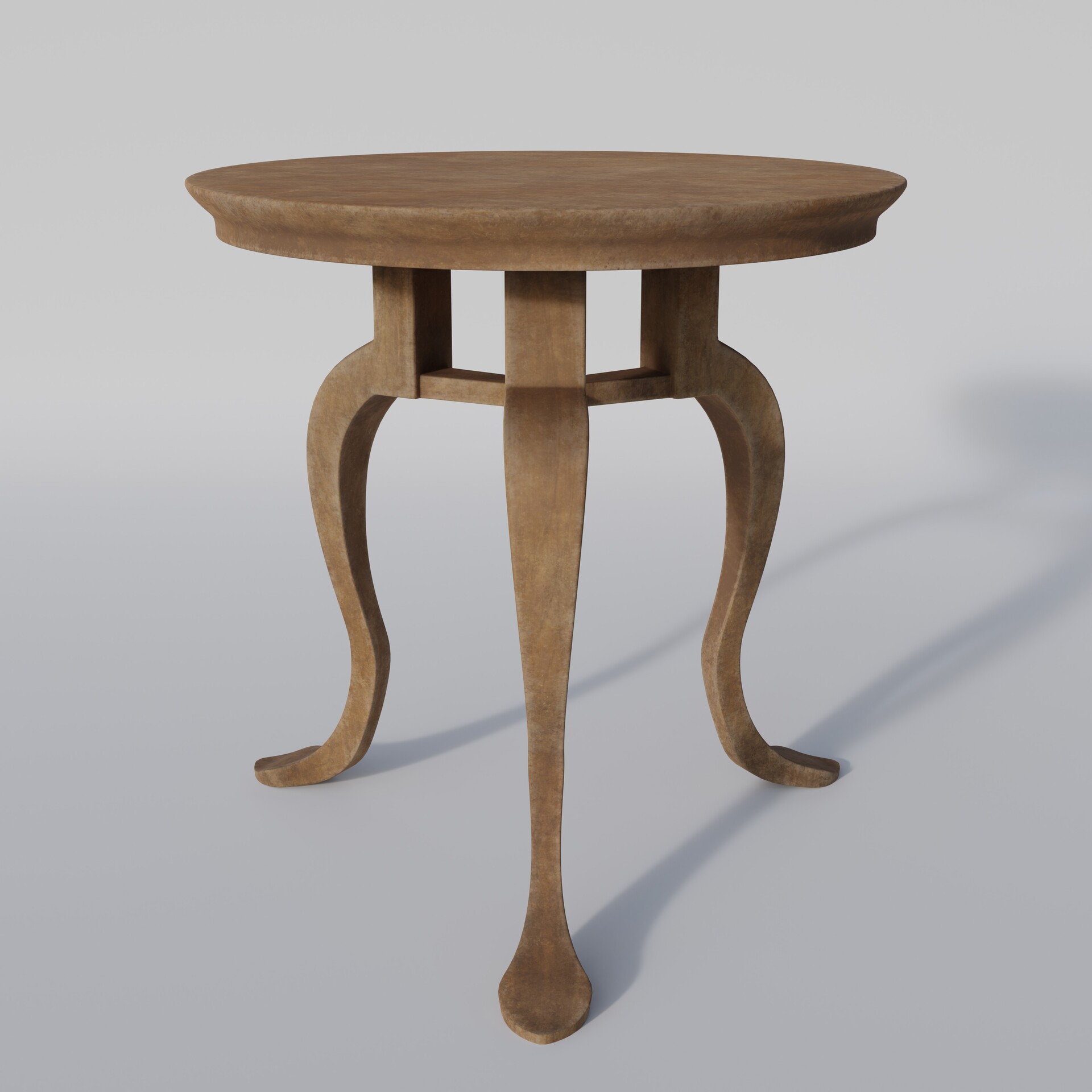
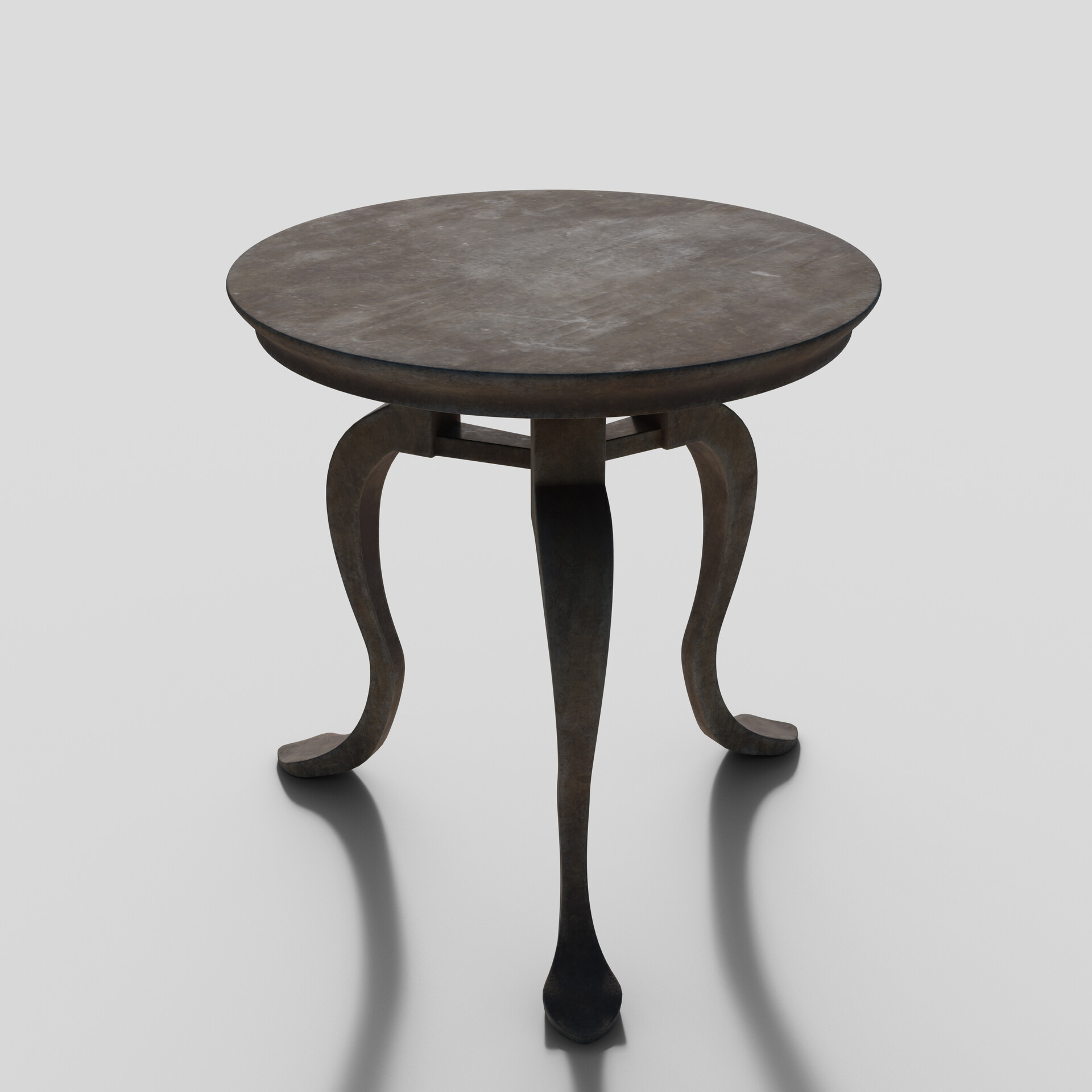
Roman table / Mensa tripens
The tables in Roman times used to have one foot, although they had three, four or five legs, used as luxury furniture they could be made of stone, bronze or marble, the three-legged ones being the most common use (Mensa tripens). Those for eating were round and the square or rectangular ones were used in military camps. Citrus wood was considered appropriate for dinner tables, because the wine and sauces served did not leave it marked.
References:
Arredi di lusso di età romana. Da Roma alla Cisalpina. Fabrizio Slavazzi.
https://books.google.es/books?id=ZiaBCwAAQBAJ&lpg=PA10&ots=PAcabUgUIJ&dq=Villa%20Imperiale%20pompei%20Arredi&hl=es&pg=PA47#v=onepage&q=Villa%20Imperiale%20pompei%20Arredi&f=false
Pompei: Villa Imperiale-Alcova
https://www.youtube.com/watch?v=Xwff6XfPOIU
“Pompei come duemila anni fa: arredi ricostruiti nelle domus”. Il Matino.it
https://www.ilmattino.it/napoli/cultura/pompei_come_duemila_anni_fa_arredi_ricostruiti_nelle_domus-1888961.html
Reconstrucción virtual del mobiliario doméstico romano a través de las fuentes antiguas. Manuel Moreno Alcaide. 2013
ANDRIANOU, D. (2009): The furniture and Furnishings of ancient Greek houses and tombs. Cambridge. DE CAROLIS, E. (2007): Il mobile a Pompeii ed Ercolano. Letti, tavoli, sedie e armadi. Roma.
Mobiliario romano.
https://gladiatrixenlaarena.blogspot.com/2016/08/mobiliario-romano.html